Welcome to the first volume for 2023! We return to the blues, after considering the subject many times before and specifically in vols 54, 79, 105 and 108, and what else is there left to say about blues & blues rock, other than it's the root of hard rock. Many of the most famous and not so famous hard rock and prog bands of the past that we all know and love are indebted to blues as the original inspiration.
In this set we have artists from Mexico, Germany, Denmark, and of course the USA and UK. There are 11 featured artists that are brand new to the blog and 4 that return for some deserved reconsideration. Included are rocking interpretations of standards: Big Mama Thornton's Hound Dog, Howlin' Wolf's Little Red Rooster, Chuck Berry's Johnny B. Good and Bo Diddley's Mama Keep Your Big Mouth Shut. A good rockin' time is most definitely promised from start to end!
Big Mama Thornton - Howlin' Wolf - Chuck Berry - Bo Diddly
TRACKS
01. Javier Bátiz - Down Broken Hearted (1971)
from album Festival De Rock Y Ruedas En Avándaro Valle De Bravo
02. Jericho - Baby’s Gone Again (1971)
from album Jericho
03. Floating Bridge - You've Got The Power (1969)
from album Floating Bridge
04. Bauer, Garn & Dyke - Haltestellen Blues (1979)
from album Sturmfrei
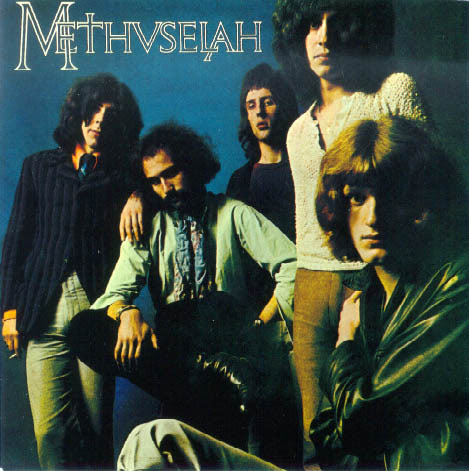
05. Methuselah - My Poor Mary (1969)
from album Matthew, Mark, Luke And John
06. Head Over Heels - Red Rooster (1971)
from album Head Over Heels
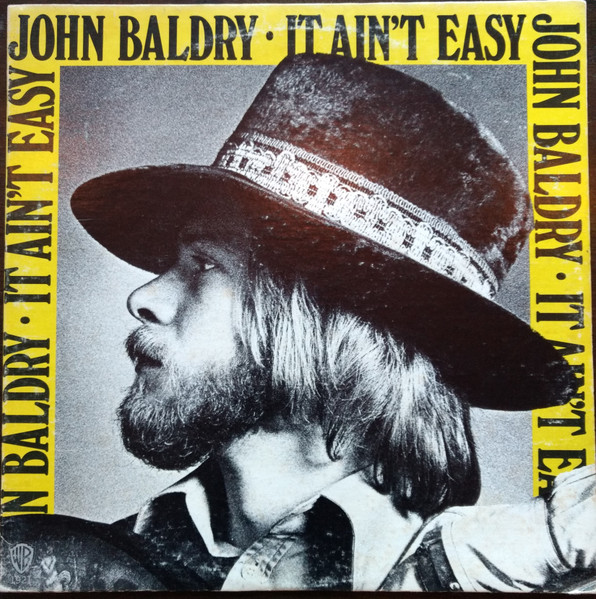
07. Long John Baldry - Don't Try To Lay No Boogie Woogie On The King Of Rock & Roll (1971)
from album It Ain't Easy
08. Ilmo Smokehouse - Johnny B. Good (1970)
from album Ilmo Smokehouse...Plus
09. Peter Thorup with Friends - Little Sister [Bonus Track] (1970)
from album Wake Up Your Mind [remastered]
10. Plastic Penny - Hound Dog (1969)
from album Currency
11. Killing Floor - Nobody By My Side (1969)
from album Killing Floor
12. McKenna Mendelson Mainline - Ezmerelda (1972)
from album Mainline Bump'n'Grind Revue Live At The Victory Theatre 1972
13. Rain - This Is No Place (1971)
from album 1971... The Lost Album
14. Locomotive - Get On Away (1969)
from album Locamotive
15. Stack Waddy - Mama Keep Your Big Mouth Shut (1972)
from album There Is Some Fun Going Forward
The Artists
Javier Bátiz - Down Broken Hearted (1971)
We get off to a rip-roaring start with a killer blast of blues courtesy of this veteran Mexican bluesman from Tijuana. I first discovered Javier Bátiz during my investigations for the Mexican volume 89 (link). This particular track is taken from a 2002 retrospective of the Festival Rock y Ruedas de Avándaro, which took place near Mexican town Tenantongo in 1971. This was Mexico's Woodstock and many of the artists including Javier that played, are now Mexican rock heroes. Javier is now 78 and his most recent album of new work came out in 2015.
Jericho - Baby’s Gone Again (1971)
Here's another track with a mean riff, that is reinforced by some excellent keys. This Canadian outfit released one self-titled album in 1971 which was an early production job of Todd Rundgren. It's a solid album with great production and about four blues / hard rock heavies, making it worth checking out! Keyboard player Gord Fleming previously played in Luke & The Apostles, who appear in the second Canadian TDATS (link). Some more info about Jericho can be read at Garage Hangover (link).
Floating Bridge - You've Got The Power (1969)
The riffs keep on rolling and here's another belter, from Seattle's Floating Bridge. They appeared on TDATS vol 8 way back in the early days (link) but I didn't say much about them then and on returning to the album to make this volume, I really am impressed at their sole LP's consistent quality. These guys could really swing, and sound like they loved every minute of it. Aside from a couple of slow numbers, the whole album jams to the maximum and gets a grade A seal of approval from myself.
Of all the members, guitarist Rich Dangel (b. 1942 d. 2002) appears to have been the most experienced and prolific, with credits on well over 100 records going back to the late '50s from The Wailers, and songs he wrote were used by The Ventures, The Kingsmen and Paul Revere & The Raiders. I always thought the name Floating Bridge was some musical reference but in fact it comes from a famous Seattle landmark bridge extending across Lake Washington.
Bauer, Garn & Dyke - Haltestellen Blues (1979)
This is a three-piece with a couple of albums made during 1979 to 1982. They were a direct hard rock'n blues band, what you hear is what you get. This is the newest track in the comp so it has a more modern crunchy production but aside from that it's business as usual, and business is good! Only two thirds of the band were German, drummer Roy Dyke was from Liverpool, with a career going back to the mid-'60s and credits on records with names like George Harrison, and even some TDATS-bothering names like Pat Travers and Achim Reichel (The Rattles, AR Machines). He was also in Ashton, Gardner & Dyke, but this is to be expected of course, as every British journeyman rocker has been in a band with Tony Ashton at some some time, it's a union requirement. Bauer, Garn & Dyke's record label, Ahorn, was founded by two ex-members of The Rattles, the aforementioned Achim Reichel, and Frank Dostal.
Methuselah - My Poor Mary (1969)
The blues swagger continues with this British band, and a track taken from their interesting 1969 album "Matthew, Mark, Luke And John". The album has an obvious gospel concept with track names like this one and "Matthew", "Mark", "Luke" & "John" etc, but the music itself is excellently-played and traverses conventional styles of blues, folk, and early prog, with some gospel style vocal harmonies. It's a great album and has enough rocking tracks to achieve a TDATS "check it out" seal of approval. Guitarist Les Nicol is excellent throughout and a quick perusal of Discogs shows that he played on notable records from Ray Owen's Moon and Pavlov's Dog among others. Some more can be read about Methuselah at Alex Gitlin's site (link).
Head Over Heels - Red Rooster (1971)
This is a fantastic track that follows a traditional blues blueprint (should that just be the 'bluesprint'?) more closely than many of the other tracks here, which is understandable as it's a Howlin' Wolf classic, while maintaining a hard rocking edge. Head Over Heels have appeared once before on the blog in volume 16 (link), a power trio from Michigan led by guitarist & vocalist Paul Frank. Accompanying him was John Bredeau (drums) and Michael Urso (bass). The band didn't last long but Michael Urso had a solid run on four Rare Earth albums afterwards and Paul Frank joined Fresh Start, later just "Fresh". Head Over Heels' sole album is excellent with plenty of hard bluesy rock to earn a solid TDATS seal of approval, if you still haven't looked this one up yet!
Long John Baldry - Don't Try To Lay No Boogie Woogie On The King Of Rock & Roll (1971)
I'd never heard of John Baldry until recently but he seems to have been popular in his day, and this is from one of his many albums, 1971's It Ain't Easy, which was a collaborative effort with all the tracks played and written with help from a long list of British and US names. On this track alone was Elton John playing piano, Madeline Bell on backing vocals and Ron Wood on guitar.
The song is credited as written by american Jeff Thomas, then I went down a rabbit hole discovering that in 1970, a year before Baldry's album, it was covered by Crow (the ones that Sabbath covered) and a band called Gator Creek, with Kenny Loggins on guitar no less! One curious thing is that in 1970 this was also a single under Jeff Thomas's name, which sounds identical to John Baldry's recording. On top of that, Baldry himself tells a story that implies the song was inspired by the time he was arrested for busking in London (link). A web of intrigue for another day...and to end this part, I was amused to find that John Baldry did a lot of voice-over work in his later career, which is understandable given his charismatic voice, including 65 cartoon episodes as Sonic The Hedgehog's arch nemesis, Dr. Robotnik.
Ilmo Smokehouse - Johnny B. Good (1970)
Here's a cover of a classic that changes up the song so much, it really could be a different song if not for the lyrics. Chicago's Ilmo Smokehouse had one album out on Roulette in 1971, although it seems they first pressed it privately in 1970, if Discogs is correct (link). There have been various re-issues since, called "...Plus" which add 8 bonus tracks. This band are fantastic, most of them appear to have been pretty young at the time but the variety of instrumentation and styles here is amazing, from straight-up hard rock, to psych, blues and jazz with sax.
The subtle hint of jazz swing permeates the album, giving it a personality of its own. This description might make it sound unfocused and inconsistent, but the secret sauce here is that every track (including the bonus tracks) is excellent and rocks hard! Gerry Gabel and Freddie Tieken are credited with the various additional instruments like sax, piano, flute and harmonica. Freddie was older than the rest of the band going by photos, and was already established in the business as a musician and studio owner since the 1950s. He has an extremely informative website where you can read the full story of the band and many other things, such as the time Steve Gaines played in the band before going to Lynyrd Skynyrd (link).
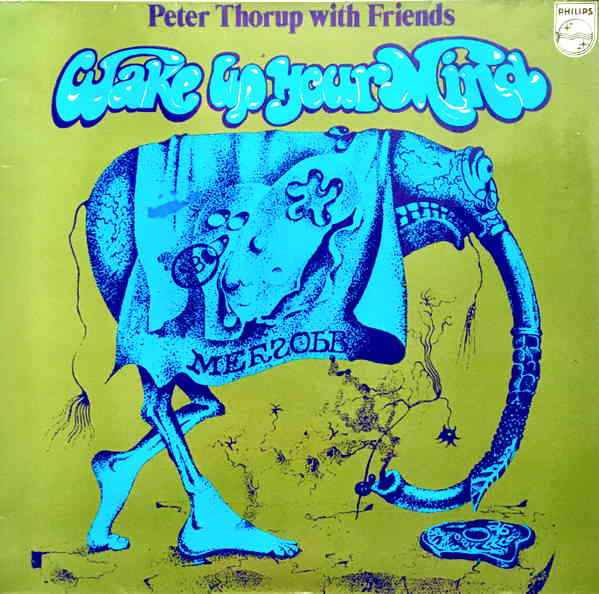
Peter Thorup with Friends - Little Sister (1970)
Here's a monster track that makes a nice extended detour into epic prog with some heavy hammond. Peter Thorup (b. 1948 d. 2007) was a Danish guitarist, singer, composer and record producer. He was an important blues musician in Denmark, and he was known outside his own country, when in the late 1960s he met Alexis Korner and the two formed the bands New Church, The Beefeaters, CCS, and later Snape.
In 1970 the album Peter Thorup with Friends was released by Philips, and later re-issues contained bonus tracks from the same sessions. The "friends" in the title included a number of Danish rockers from bands that have appeared here on TDATS including Mo-I-Rana (vol54), Young Flowers (vol72) and Savage Rose (vol17). The album comes recommended with lots of heavy moments, with a selection of originals, covers and trad blues interpretations.
Plastic Penny - Hound Dog (1969)
Here's a fantastic rendition of Big Mama Thornton's blues standard from a band that I became aware of when making vol 112: UK bands that loved the USA (link). Plastic Penny were a British '60s pop band, formed in 1967 before splitting up in August 1969. The group had one hit single early in 1968: the song "Everything I Am". Most of the members went on to greater fame with other bands or in session work. By the time of second LP "Currency", the band were going in a more rock direction and "She Does" is another good one (youtube). The album as a whole is musically excellent and well worth hearing for fans of pre-prog bands such as Procol Harum. All the members were already accomplished musicians and just a few of their later bands include Chicken Shack, UFO, Cochise, Uriah Heep and Lord Sutch And Heavy Friends.
Killing Floor - Nobody By My Side (1969)
Here's one of the heaviest cuts from Killing Floor's debut album. This one has a monolithic riff which shares the connection that blues had to the kind of doom-blues downer rock that Sabbath was playing at the time, and most readers will be aware that both of Killing Floor's albums are essential listening. Even though there seems to be a few TDATS-related names attached to the band for brief times, on looking up later exploits of the band members who are actually credited on the albums, there doesn't seem to be much in the heavy prog blues realm of Killing Floor, though Mick Clarke (guitar) and Stuart McDonald (bass) were in a late-'70s heavy blues band called Salt, which played in pubs such as the Bridgehouse, one of the haunts on the London circuit where aspiring NWOBHM legends like Iron Maiden and Def Leppard cut their teeth. Another point of interest is that Stuart McDonald was previously in Crushed Butler, a great punkish 60's band that were good enough to be included here before in vols 12 and 42: Proto Punk (link).
McKenna Mendelson Mainline
McKenna Mendelson Mainline - Ezmerelda (1972)
Here's a track with a great heavy live atmosphere, and the second with connection to Canada's Luke & The Apostles, via guitarist Mike McKenna. The band's other formative guitarist, Joe Mendelson, was a singer-songwriter, guitarist, painter, and political activist, who was known for using art to express political themes. McKenna Mendelson Mainline had reasonable success and spent a year becoming known in the UK, playing the same pub circuit as a young Led Zeppelin, Keef Hartley Band and Gun. For their heaviest music, the first album from 1969 is recommended, although this track is taken from a live album recorded in Toronto's Victory Theatre on February 27 1972.
Rochester, New York's Rain offer one of the heaviest tracks in this collection. This is packed with tight riffs that come with a refreshingly punky sneer in the vocals. Members were Brad Morse (vocals), Ted Paris (bass), Mick Guerin (drums) and Helmut Getto (guitar). Their first LP was a self-released and subsequently much-bootlegged recording of a show at the Mariner Hotel ballroom on Christmas night, 1970. It got played on local radio and made them enough money to do some recordings which were intended to be their first proper LP, but after signing to RCA, and some meddling by the label, the endeavor failed and the band broke up.
These previously unheard recordings have now been released officially by New York's Jargon Records, as "1971... The Lost Album". Both the band's records are great and come with a grade-A TDATS heaviness seal of approval. More can read in a recent interview with Helmut Getto at It's Psychedelic Baby (link) and Jargon Record's website (link).
Locomotive - Get On Away (1969)
This track starts powerfully and continues with a big sound all the way through. The album is a combination of slower or more commercial tracks, as many of these types of albums are, with about three hard rockers that make it worth checking out, including the quirky "Wah Wah" (youtube). Guitarist John Ussery began playing guitar in the mid-fifties, with names including John Lee Hooker, Jimmy Witherspoon, Eric Burdon and others. He also made solo album "Ussery" in 1973, which has some cool Hendrixian / Frank Marino style guitar. More can be read about Locomotive at PNW Bands (link). John also has his own site (link).
Stack Waddy - Mama Keep Your Big Mouth Shut (1972) This set is brought to a close with a band that i'm sure most of you will already know, and deserves a bit more acknowledgement here than when they first appeared on volume 46 (link). This was also covered by The Pretty Things (youtube) and was originally recorded by Bo Diddley, but singer John Knail's and the bands' filthy scuzzy delivery show what Stack Waddy were all about perfectly. They formed in Manchester in the mid-'60s and the DJ & producer John Peel signed them to his Dandelion label after seeing the band play at the Buxton Blues Festival in September 1969.
The original line-up of John Knail (vocals, harp), Mick Stott (guitar), Stuart Banham (bass) and Steve Revel (drums - replaced by John Groom on second album) released two albums and singles before breaking up in 1973. They reformed several times with their second LP line-up, the last time being for a Dandelion Records biographical DVD film shoot in July 2007. The non-album track I used here has appeared on various re-issues but its first release was on a 1972 Dandelion sampler called "There Is Some Fun Going Forward", which also featured TDATS mentions Tractor, aka The Way We Live. More can be read at the long-defunct stackwaddy.com (archived)
Welcome to another TDATS artist interview! I first came across the band "ID" and their 1977 LP release "Where Are We Going" a few years ago during my general searches and in this case, ID was a band I read about in Denis Meyer's "The Hard Rock Anthology 1968-1980" (link). I have since featured ID in volume 145 (link), and during the making of that it was hard to find more information on the band. After putting on my investigation hat I was lucky enough to receive a response from Maryland USA resident and original ID bass player, Kevin Orsie, and the results of his kind cooperation are here before you.
The album immediately got my attention on first listen, with its long atmospheric compositions that soar and retreat through various moods and sonic landscapes....an easy comparison is Pink Floyd's more extended works like Echoes, but it's a fair comparison as Kevin himself has stated Floyd as a major influence. In a modern context, I think this will go together well with bands that specialise in long jam-based songs like Earthless, and in the realms of TDATS another good comparison is the stunning P₂O₅ track that I included way back in Volume 33 (link). The centerpiece of the album is "Where Are We Going" parts 1 & 2, but this blog being called "The Day After The Sabbath", ID also delves into the heavier side of rock at times and Where Are We Going Part 2 navigates almost 14 minutes of satisfyingly dark waters.
INTERVIEW
Kevin on-stage in recent times
Q1. Hi Kevin, firstly thanks very much for doing this! What
sparked the formation of ID, and why did you decide to specialise in bass?
I started as a drummer and switched to bass at the age of
14. I joined a band that needed a bass player, so that was the beginning.....I
knew Dave and Gary (the Oickle brothers) from the neighborhood, they lived the next street over from
me.... Dave asked me over one day, I went down to the basement and they were set
up to practice, I didn't even know they were musicians. I soon came over to jam, and that sparked the beginning of ID. We rehearsed almost every day. We
soon moved practices to an old church auditorium and we rehearsed there for the
next several years.
Q2. What inspired the name “ID”?
Gary Oickle the guitar player came up with the name, ID
stands for the ego / subconscious.
Q3. What musical scenes and artists were the newly-formed ID
enjoying and listening to?
We listened to a lot of Pink Floyd, I was into Chris Squire
from Yes, and Greg Ridley from Humble Pie. Also I was big into Black Sabbath, and
Geezer Butler had a big influence on my playing. Geezer and I are both Lakland Bass Artists.
EDITOR: Lakland is an American guitar & bass manufacturer (link).
Q4. Did ID play any gigs or festivals that you can tell us
about?
We played a lot of shows, one of the most memorable was a concert
in Central Park, New York City... I was 17 years old, it was a bit overwhelming
but I have such great memories....
Q6. How did ID get recorded on the Aura Records label? I
noticed (On Discogs at least) that there are no other bands on the label.
It is a label created by ID, just an independent label....
Q7. Could you please confirm if this band / producer
information is correct?
ID - Where Are We Going back cover (re-arranged for improved readability)
Bass Guitar, Vocals – Kevin Orsie
Drums, Vocals – Ralph Jenkins
Guitar, Lead Vocals, Mellotron, Written-By, Producer – David Oickle
Lead Guitar, Written-By – Gary Oickle
Mastered By – Sam Feldman
Mellotron, Engineer – Bob Halsal
Producer – Ed Slade
Slide Guitar, Producer – James Albert
This is all correct...
Q8. I noticed that the production staff (Bob, James) also played instruments.
Can you elaborate on this?
Bob was the recording engineer at the studio where we
recorded the album. The studio had a Mellotron
so Bob somehow or another played it on the album. James Albert just added a
little slide guitar here and there, not really sure how that happened...
Here's a cut from Kevin's latest band, "Vista Sky". You can check out his Soundcloud here.
Q9. When and where did you record the ID album?
What are your memories of recording the album?
We Recorded at Sound Dimensional Studios, 54th Street in
New York City. It was owned by Jimi Hendrix's first producer. It was so surreal
for me since I was really still a teenager, it was fun and I think I did all
the bass in one take. We had rehearsed so much, it was like a freeing journey.
Kevin playing his Rickenbacker bass in ID at around age 17
Q10. What was the creative process? Your songs have a jam orientated sound, did you improvise much during recording?
Dave wrote most of the guitars and arrangements, then we
would start playing until I would create the bass parts, and Gary was very creative and very much a
free-form player, though the songs were always well rehearsed but we could jam out, just on the fly…
Q11. ID’s music is great. I particularly like Where Are We
Going...Part 2 which is heavy and trippy with a driving bass line from yourself.
Yes, that was an amazing piece, we could play the whole song
almost note for note, but always had the space to add and jam out some...
Q12. Do you have any favourite ID songs?
Can you tell us about any of them in particular, like which were easiest
or most fun to play?
I always enjoyed playing Sunrise (A New Day), it had this vibe
to it, always a very positive sound...Though there are two unreleased songs that
were recorded in the same sessions, The Mountain Song, and Go All The Way.....
I loved performing The Mountain song live...
Q13. What inspired the apocalyptic LP cover art, was it
chosen by the band?
Gary Oickle came up with that, I just think seeing the way
things were heading, brought a lot of Questions, and we see even more so right
now…
Q14. What happened after the album was released? Was it
widely released by Aura or only in limited numbers?
It was, it went to Europe, and to California, and to this
day we still have a big cult following in Europe, California and Texas....
Q15. Do you remember what the public’s reception was like? Was it played on radio
or reviewed in magazines etc?
The reception seemed to be better in some places than
others, but it seemed to be well-received within progressive music listeners.
Q16. Can you describe the band’s activities after the album
came out, how much longer did ID exist? Were there any plans or recordings for
more records?
After the album came out ID went on for at least another 2
or 3 years, I left about a year and a half after the album's release, I had a
drive to do more....
Still recording in 2023 !
Q17. What happened after ID broke up?
As of now 2023 I am the only surviving member of ID. As far as I know, I am the only one who went on
to pursue and write original music. I recorded a lot, and had some airplay on
98 Rock in Baltimore. When I lived in Myrtle Beach a lot happened for me, I got
to play live with some amazing musicians,
Alan Thorton from North Carolina's Nantucket (link) and South Carolina's Steve Senes (link). Steve was such an amazing
guitar player. After I moved back to Maryland I started playing with my brother
Paul in Fuzz, the singer was my nephew, we did originals and covers, played
some great places, and did shows with some great bands.
I still write and record, I put out a lot of music over the years. Last year I
released An EP, it is on iTunes and Spotify. My band's name is As The Night
Goes, and “Annapolis” is the album name. I am currently recording another album,
which should be out this year. I am also planning on remastering and
re-releasing ID’s Where Are We Going.
Q18. I found some other bands that you were in after ID; "Viridian Blew", "Blind", "Fuzz" and "Swamp Ash". Can you tell us something about these?
Viridian Blew was right after ID and I did have a single out with that band that was played on 98 Rock. Blind and Fuzz were really good bands that I played-in with my brother Paul, we did originals and put CDs out. We played together for a long time and it was a great experience. My nephew Josiah was a singer for Fuzz. He was 17 years old and he went on to form "Tears of Mars" with his four brothers, all my nephews. He is the recording engineer who records me now. Swamp Ash is my project but I changed the name because there are two other bands with that name, so now it's called "Vista Sky". I am going back into the studio next month (May 2023) to finish up everything for my next album. It'll be a while before they are mixed and mastered. You can follow Vista Sky on Facebook (link).
Q19. Do you have any prevailing memories or stories of ID that you’d like to add?
Ha, I have so many, but I will share one....We were supposed
to play at the Point Pleasant Beach Bar, and Midnight Landing (Hendrix Tribute
band). They were playing, I just got there, and the place was a mad house, out
of control, LOL. Then the Police came and shut it down....we never got to play
that day.
I will leave you with this, It was such a journey and an honour to write and
share the stage with the Oickle brothers, they were the real deal, creative and
innovative. We were a bunch of guys that got together to break the mold of the normal hit-making mentality that was around during the '70s, in other words we wanted to create more of a free-form, spontaneous kind of music that was creative......so Peace and Love, Cheers....Kevin Orsie
Welcome to TDATS volume 146: Heavy rock of communist East Germany. This is the first part, as I was able to find around 30 bands that made fitting music for the blog, and part 2 will follow some time in the not-too-distant future! Edit: As of June 2023, Part 2 is now available too! [LINK]
This is a great collection featuring all-new acts apart from one, Puhdys, who appeared once before on vol 48 (link). In making this set I came across almost exclusively bands that I had never heard before. The quality of the music here is undeniably world-class, with excellent musicianship, as we have come to expect from German rock in general, and surely these bands would have been better-known if they hadn't been playing within the bubble of the DDR.
The "Lipsi" A dance invented by the authorities to replace "vulgar" western rock'n'roll dancing. Apparently it failed to catch on...
The musicians of post-war East Germany suffered the same heavily-imposed restrictions and controls that artists of many other communist states did. Some bands like the Klaus Renft Combo (later "Renft") were at one time banned out-right, and their entire back catalogue on the state-controlled "Amiga" record label was deleted from history. There's a concise article at Messy Nessy Chic (link) and I recommend reading that in conjunction with this volume, as it highlights the difficulties of being a rock band in the Deutsche Demokratische Republik (DDR, aka GDR) and also references a few of the bands I used in this and the next DDR volume.
At one point, bands required licenses just to exist and be allowed to play at the government-authorised music venues of the time. Their image and musical / lyrical output was continuously scrutinised by the authorities in order for them to keep the licenses. Many of the bands had to find new and inventive ways to continue making great music with worthy lyrics, while still being permitted to play.
There's a great cross-section of all the styles of rock you'd expect from the period, regardless of point of origin, with some obvious inspiration from western bands of the time, even down to particular song parts, but in this case it shouldn't be regarded as plagiarism. In a way these bands were doing a service for rock fans in the DDR who had difficulty in hearing the originals any other way, as so many western rock records that we take for granted now, were banned.
If you want to go deeper on the scene I must give props to deutsche-mugge.de (link), a fantastic DDR rock fan site which has in-depth profiles on all the bands in this volume, plus many more, and just as importantly, many exclusive interviews with members of the bands.
TRACKS
01. Thomas Natschinski-Gruppe - In Der Vierten Stunde (1972)
from album Wir Über Uns
02. Electra - Bemuhe Dich (1975)
single
03. Gisela Dreßler - 48 Crash (1974)
single
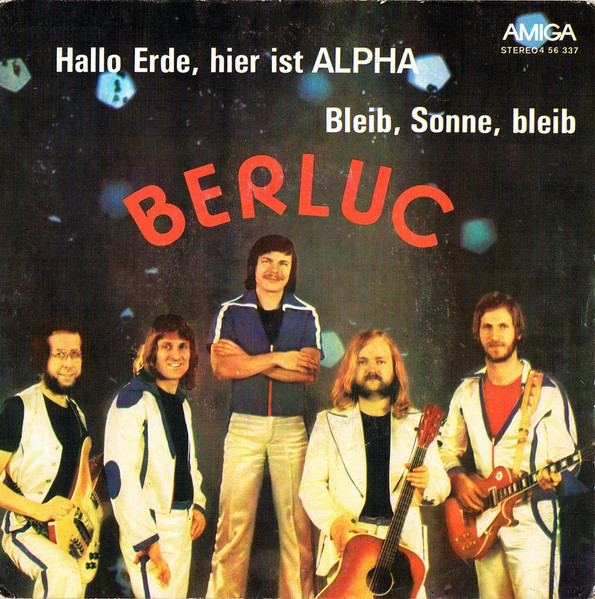
04. Berluc - Hallo Erde, Hier Ist Alpha (1978)
single (78) and album Reise Zu Den Sternen (79)
05. SOK - Sok-Oriental (1971)
from retrospective SOK feat. Anders, Forsthoff, Gumpert, Sommer
06. Karussell - Ehrlich Will Ich Bleiben (1979)
from album Entweder Oder
07. Stern-Combo Meißen - Hat Der Tag Sein Werk Vollbracht (1975)
from collection Beatkiste Vol. 6
08. Puhdys - Ikarus (1974)
from album Die Puhdys
09. Express - Leben, Um Ein Mensch Zu Sein (1973)
from collection Hallo Nr. 8
10. Reform - Drachentoter (1979)
from album Reform
11. Lift - Neuer Tag Bricht An (1976)
from collection Beatkiste Vol. 3
12. Thomas Natschinski-Gruppe - Auf Dem Bau (1972)
from album Wir Über Uns
13. Joco-Dev-Sextett - Stapellauf (1971)
single
14. Peter Holten-Septett - Weiter Weiter (1975)
from collection Beatkiste Vol. 2
15. Klosterbrüder - Lied Einer Alten Stadt (Weimar) (1975)
single
"Wir Über Uns" LP
Thomas Natschinski-Gruppe - In Der Vierten Stunde (1972)
This is a stately piece of keys-lead prog that makes for a good opener before the heaviness begins, and the band make another appearance in this comp for track 12. Thomas Natschinski's group started out as successful beat band "Team 4", and made 3 LPs on the Amiga label. They morphed into a prog band that played a variety of pop to hard rock. Thomas Natschinski later become a music producer for soundtracks of many movies and TV shows, and has a website (link). More can also be read at deutsche-mugge (link) and ostmusik (link).
Electra - Bemuhe Dich single
Electra - Bemuhe Dich (1975) Here's an excellent hard-rocker with great guitar. This was a single in 1975 and can be found on the 2004 retrospective "35 Jahre Electra", which has lots of heavy tracks of equal quality. They were also well know for making prog rock adaptations of Classical pieces. The last time the band appeared live was in 2015. One of the longest-running of East German prog bands, they changed completely throughout their history. Established in Dresden in 1969, and although quite popular, they were considered too radical to get an album released, instead they spent much of their time as backing band to various pop singers.
Their 1974 debut album amounted to an early history of the band, followed by 3 other albums that are considered to be their definitive progressive rock era. In the 1980s they adopted a more mainstream pop rock style and became very popular in the DDR. There's an interview with Bernd Aust of Electra at ostmusik (link). Some more biography can be read at ostbeat (link), deutsche-mugge (link) and ostmusik (link).
Gisela Dreßler - 48 Crash (1974) Here's a fun Suzi Quatro cover. Gisela was a member of the Rainer Bloß Combo and jazz rock group SOK, which also appears in this comp. According to Discogs this single was made in conjunction with Electra, Karl-Heinz Ringel (of Electra and Sander-Formation) has arrangement credits.
Berluc- Hallo Erde, Hier Ist Alpha
Berluc - Hallo Erde, Hier Ist Alpha (1978)
Here's a track with stomping riffs, from a good hard rock album by Berluc. They derived their name from Berlin and Luckenwalde, the region of East Berlin where they originated. They made three albums of hard rock into the 1980s, and some singles after, but they have continued to play live right up this year, 2022 (youtube). Berluc have a website (link) and some biography can be read at deutsche-mugge (link) and ostmusik (link).
SOK feat. Anders, Forsthoff, Gumpert, Sommer
SOK - Sok-Oriental (1971)
This is a killer funky jam with the jazzy drumming just making it totally addictive, and the fuzz guitar isn't doing any harm either! The guarantors of the high musical level of the band, founded in 1971, were musicians such as Ulrich Gumpert (of Klaus Lenz Big Band, Synopsis - piano, organ, vocals, composition, arrangements, band leader), Günter Baby Sommer (of Modern Jazz Big Band 65 - drums), saxophonist Helmut Forsthoff (of Klaus Lenz Big Band) and Ernst-Ludwig Luten Petrowsky (of Klaus Lenz Big Band, Synopsis). These musicians had a solid, mostly classical, music education.
Gumpert and Sommer also had their first steps in previous acts, such as the Manfred Ludwig Sextett and the groups of Klaus Lenz and Friedhelm Schönfelddid. The founding members also included guitarist Günter Dobrowolski, Gerd Lübke (bass guitar), Robert Tornev (trumpet, violin), Rainer Paschy (saxophone) and Hermann Anders (tuba, composition, arrangements). Lübke and Dobrowolski came from the beat scene. For a time, Hans-Joachim Graswurm also played as a guest musician with SOK. The group presented at Jazz in der Kammer on June 7, 1971. In 1972 the line-up of the band was supplemented by the singer Barbara "Bärbel" Folz. She was replaced in mid-1973 by Gisela Dreßler, who had a distinctive blues voice. (wikipedia). Some more biography can be read at wikipedia (link) and ostmusik (link).
Karussell – Entweder Oder
Karussell - Ehrlich Will Ich Bleiben (1979) Here's another piece of stately prog. Karussell was founded in 1976, from members of the Leipzig amateur band "Fusion" and former members of the band Renft, who appeared in vol136 (link) and will appear again in part 2 of TDATS DDR Rock, who had recently been banned by the GDR authorities. Founding members of Karussell were Wolf-Rüdiger Raschke, "Cäsar" Peter Gläser, Jochen Hohl, Reinhard "Oschek" Huth, Lutz Kirsten, Claus Winter and Bernd Schumacher. In 1978, they became professional thanks to a sponsorship agreement with the central council of the FDJ (wiki), the concert and guest performance directorate (wiki) and the band. The first positive side effect of this change was participation in the "Rhythm 78" festival. For many fans of the banned group Renft, Karussel was the legitimate successor. Some more biography can be read at deutsche-mugge (link) and ostmusik (link).
Stern-Combo Meißen - Hat Der Tag Sein Werk Vollbracht (1975)
Stern-Combo Meißen was founded in 1964 by Martin Schreier, Norbert Jäger and Bernd Fiedler in Meißen, near Dresden. One of the longest-serving bands in Germany, they first performed in 1964 at a party for pensioners in the "Luftbad Meißen-Spaar". In the early years, the band played covers of their influences, including Blood Sweat & Tears and Chicago, which is why three horns played in the group until 1973. Around this time the group turned professional, the musical style changed and influences changed. They now played songs by Pink Floyd, Emerson Lake & Palmer or Genesis and began to write their own songs in this style. Still playing is 2022 as "Stern Meißen", a recent show was reviewed at ostmusik.de (link). Some more biography can be read at deutsche-mugge (link) and ostmusik (link).
Puhdys – Die Puhdys 1974
Puhdys - Ikarus (1974)
Puhdys emerged from the Udo Wendel combo founded in 1965. The band name consists of the initials of the original line-up, Peter Meyer, Udo Jacob, Harry Jeske and Dieter Hertrampf. The "ys" was added to the end and Puhdys were born. The group first played songs from their favorite bands Deep Purple, Led Zeppelin, Uriah Heep and others. Even though the original Puhdys had been active since 1965, the band's concert in Freiberg's "Tivoli" on November 19, 1969 is considered the official founding of Puhdys. This day was celebrated regularly as the band's 'birthday' until the band dissolved in 2016. Puhdys first appeared in vol48 (link) and are one of the most famous DDR rock bands and their earlier albums contain a lot of good hard rock. Some more biography can be read at ostbeat (link) and deutsche-mugge (link).
Gruppe ,Express' Berlin
Express - Leben, Um Ein Mensch Zu Sein (1973)
This Berlin band was active until 1990, but never released an album, and had only a few songs released on single, that were recorded for radio. The band was formed around 1971-2 as an amateur band . They first gained notoriety appearing at the 10th "World Festival of Youth and Students" (link) in 1973 in East Berlin. At the 1974 Workers' Festival in Erfurt, the band was awarded for successful original compositions. In the same year they received the title "Excellent Amateur Dance Orchestra". In 1974, along with Puhdys, they provided music for the film "…Verdammt, Ich Bin Erwachsen" (link). Some more biography can be read at deutsche-mugge (link), ostmusik (link) and wikipedia (link).
Reform - Drachentoter LP
Reform - Drachentoter (1979)
When Klosterbrüder (from Magdeburg, appearing at the end of this comp) broke up, two new bands emerged: some of the members founded the group Magdeburg (appearing in the next DDR volume), and guitarist "Matze" Blankenburg founded Reform in 1975. In addition to Jörg Blankenburg, the first line-up included Mike Demnitz on bass, Peter Piele on drums, Werner Kunze as second guitarist/keyboardist, and Frank Schönfeld as singer. Frank was the leader and frontman of Reform until 1977. He was followed by Stephan Trepte (Electra, Lift), who was the band's singer from 1977 until the band broke up in 1986. Some more biography can be read at deutsche-mugge (link) and ostmusik (link).
Lift - band
Lift - Neuer Tag Bricht An (1976)
Lift emerged from the "Dresden-Septett" and gave their debut concert on January 28, 1973 in Dresden. In the early days, the personnel carousel turned very quickly. In 1973 after Wolfgang Scheffler's departure, Franz Bartzsch joined on keyboards, and Stephan Trepte as singer. Bartzsch's affiliation was short-lived and he left the group after only a year and a half to go to Veronika Fischer's Band. Wolfgang Scheffler then returned. Werther Lohse, who is still the only remaining member from the early days, joined Lift in 1974, while guitarist Jürgen Heinrich and singer Christiane Ufholz left. Trepte then left in '76 and formed Reform. Henry Pacholski replaced him. During Scheffler's time in the army from May '75 to 1976, Michael Hausdorf and Peter Sandkaulen (guitar) came in for him first and Michael Heubach for Hausdorf from October '75, during which time the guitarist left and Scheffler, together with Pacholski, rejoined the band from October '76. Lift played recently in 2022, you can read a review of that at ostmusik (link). Some more biography can be read at ostbeat (link), deutsche-mugge (link) and ostmusik (link).
Joco-Dev-Sextett
Joco-Dev-Sextett - Stapellauf (1971)
In 1965 founding JDS members Jörg Schenkel and Detlef Lüpke were playing with Conny Hassbach and Dieter Szredzek as the "Joco-Dev-Quartett". Soon there were changes in personnel, partly because Conny Hassbach wanted to study. Jörg and Detlef joined forces with former musicians from the group The Brightles, who had just been banned, and founded Joco Dev.
At the end of the 60's the group got the chance to make songs for radio, and new TV show "Notenbank". This is how the song "Stapellauf" came into being. Lyrics and music were written by Reiner Schubert, and the group developed the arrangement together. The first version of the song did not pass the editor's office because the lyric "Black ships came over the sea" was apparently classified as "reactionary and decadent". The director of Notenbank, Bernd Maywald, contributed alternative lyrics. An interview with Bernd can read at deutsche-mugge (link). The Amiga label released "Stapellauf" as a single in 1971, however, the radio version was not pressed, it was re-recorded for the single. Many Joco Dev members were in the '80s heavy metal band "Formel 1" later. Some more biography can be read at deutsche-mugge (link) and ostmusik (link).
Peter Holten-Septett
Peter Holten-Septett - Weiter Weiter (1975)
Nearing the end now and here's an incendiary track from this group that was founded in 1970 by band leader, singer and keyboardist Peter Grasnick. The band name changed over time: Peter Holten-Sextett, Septett, also the Peter Holten Band. The name Peter Holten was invented, because at the time Peter Grasnick was not allowed to appear as an amateur or professional musician, since he was studying law, and working as a musician was not allowed for students of this discipline.
The first line-up included Grasnick's wife Brigitte (vocals), singer Bernd Bangel, bassist Dieter Wiesjahn, guitarist and singer Victor Heyse, keyboardist Michael Peglau and drummer Bernd Schwitzke. The group used sophisticated lyrics, and was only on the road as a live act for a small proportion of its existence. In 1972 the group made its first radio performances, that were recorded for inclusion in various Amiga period compilations, but unfortunately the band doesn't appear to have had any of its own singles or albums released.
In 1975 almost all the members left the Septett. While the former members founded Babylon in 1975 (appearing in the next DDR TDATS), Peter and Brigitte Grasnick re-formed with newcomers Thomas Friedrich (singer), Wolf-Dieter Bienge (bassist), Julius Krebs (keyboards) and Peter Lucht (drums). In addition, former Joco Dev guitarist Peter Nehls joined, but left in 1978 and was immediately replaced by two new guitarists: Roland Wolter and Michael Otter. The newly formed band could not build on the old successes. There were no more album releases with the band's titles, although the new line-up produced more of their own songs. In 1979 the Holten Band disbanded. Some more biography can be read at deutsche-mugge (link), ostmusik (link) and wikipedia (link).
Klosterbrüder - Lied Einer Alten Stadt (Weimar) (1975)
This is a song that was released via the Amiga label on a split single with Lift, who appeared earlier in this volume. Klosterbrüder existed in various forms from the remnants of early '60s beat band The Big Town Boys. Their religious name (Friars or "monk brothers") and their tendency to draw big crowds seemed to attract unfavorable attention and even performance bans from the authorities and in 1975 they dissolved, with members immediately forming two new bands, Magdeburg (in next DDR volume) and Reform (in this volume). An interview with Klosterbrüder / Reform guitarist Jörg "Matze" Blankenburg is up at deutsche-mugge (link), where there is also an interview with Klosterbruder's Dietrick Kessler (link), and some more biography can be read at deutsche-mugge (link), ostmusik (link) and the band's website (link).
Thanks for listening, part 2 of DDR rock is now published and available HERE
Unzip problem? Make sure you enter the password, and for MAC users especially, I recommend using the free, opensource program 7Zip (there is a MAC version too), which is what I make the zips with. Feel free to contact me, or report dead/erroneous links, at: aftersabbath@live.co.uk If you have trouble with any volumes in particular email me.
Recommendations and advice is always appreciated, Cheers! Rich